


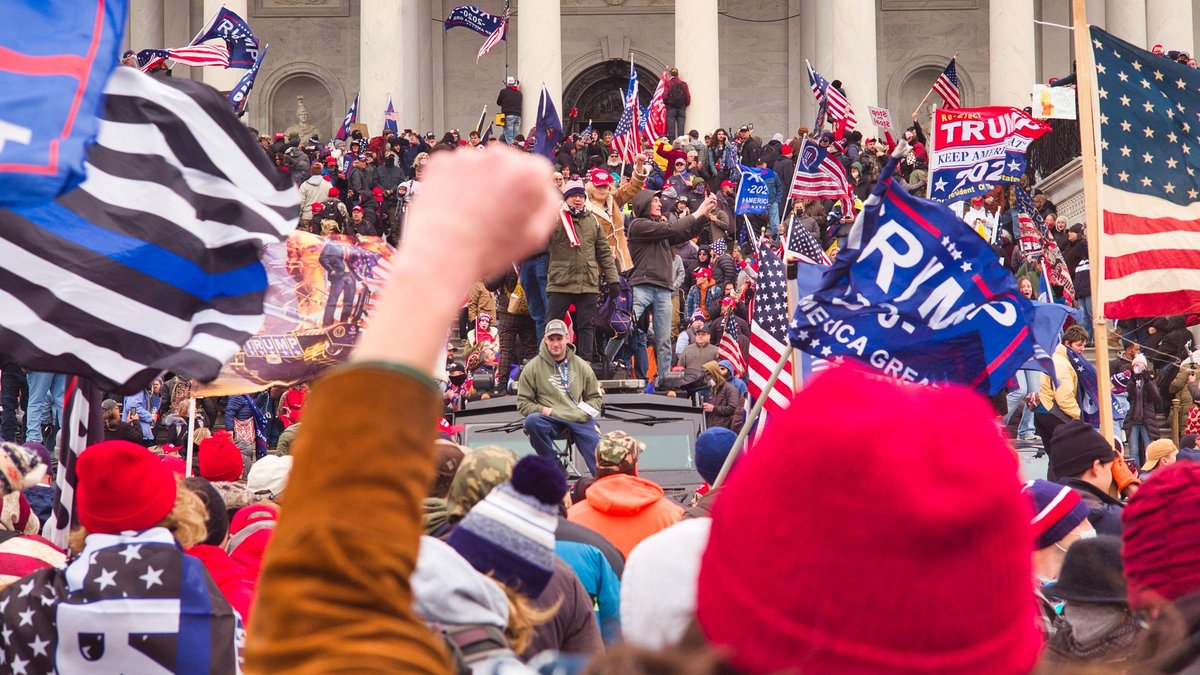
At least 97 of the more than 1,500 individuals granted clemency by President Trump for their roles in the January 6 Capitol attack have been arrested for, charged with, or convicted of crimes separate from Jan. 6 since their participation in the riot, according to a detailed study.
That works out to almost one in 16 insurrectionists who received the president’s clemency order. The alleged crimes run from property damage and drug paraphernalia possession to grand larceny, stalking, plots to assassinate law enforcement and politicians, and fraud against government agencies.
Related: Todd Blanche faces confirmation fight
One pardonee was convicted in February 2026 of child molestation and sentenced to life in prison. Another was convicted in 2025 of reckless homicide. At least 14 have been charged with sex crimes or offenses related to child sexual abuse material. At least six have faced domestic violence charges. Others have faced charges for physical assaults, illegal firearms possession, or other violent crimes. At least 20 have been charged with driving under the influence or public intoxication.
Five recipients were arrested for conduct that occurred at least partly after Trump freed them from prison — meaning the clemency order on the first day of his second term may have actively facilitated criminal behavior.
Related: The Most Romantic Royal Engagements of All Time
Andrew Paul Johnson, freed from prison by the pardon in 2025, was convicted of five charges including child molestation in February 2026 and sentenced to life in prison. His criminal conduct took place both before and after his pardon.
Zachary Alam was convicted of felony grand larceny and burglary just months after his pardon. Ryan Nichols was charged with deadly conduct and harassment in May 2026 after allegedly threatening a person with a gun in a church parking lot.
Related: Crystal Clear Ethics: Exploring the Advantages of Lab-Grown Diamonds
Another defendant’s charges are still pending. And Enrique Tarrio was arrested for simple assault in March 2025, but the interim U.S. attorney for D.C. declined to bring charges.
On May 18, the Trump administration announced the creation of a $1.776 billion fund—entitled the “Anti-Weaponization Fund”—to “provide a systematic process to hear and redress claims of others who suffered weaponization and lawfare.” Acting U.S. Attorney General Todd Blanche—appearing before the Senate Committee on Appropriations—reportedly said that he would not rule out allowing pardoned Jan. 6 defendants convicted of assaulting police officers during the attack to seek compensation from the fund on the basis of claims they were politically targeted by the Biden administration. Sen. Chris Van Hollen (D-Md.) also questioned Blanche about whether Johnson—who law enforcement alleged promised to buy his victims’ silence with funds from a Jan. 6 restitution payment from the federal goverment—would be eligible for a payout from the fund. Blanche, in response, deflected and accused Sen. Van Hollen of lying. But the senator was not lying about Johnson and actually raised a compelling question. Would pardoned Jan. 6 defendants who have been charged with—or even convicted of—other crimes since their participation in the attack be eligible for a payout from the Justice Department? That question may now be moot, as the Justice Department—facing strong pushback even from Republicans on the subject—is backing off plans to establish the fund. But if the Jan. 6 pardonees are not going to receive payments, they are still free to commit further crimes.


